

Materials Testing & Metallurgical Lab Services in Australia provide specific testing, inspection, and analysis of metals and other materials. The process is particularly vital for industries like mining, manufacturing, and aerospace in line with the Materials Testing Manual.
Materials Testing Laboratories’ objective is to ensure safety, compliance, and alignment with performance standards relevant to these sectors as per the Critical Technologies Statement. That includes service certification for key industries such as mining, manufacturing, and engineering.
Table of Contents:
Their responsibilities include the following:
- Non-Destructive Testing (NDT)
- Mechanical Testing and Chemical Analysis
- Corrosion Investigation & Analysis
- Metallurgical Laboratory Services
- Service Certification (for some industries)
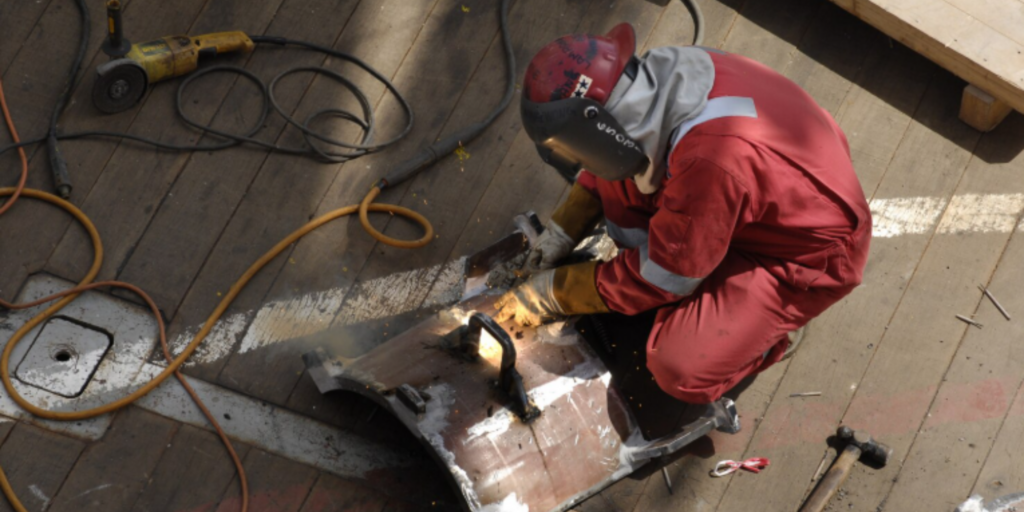
What happens inside a Metallurgical Laboratory Service Facility?
Metallurgical Laboratory Services cover a range of processes, which include failure analysis and investigation. They investigate the factors leading to broken or damaged components to identify the root causes, and implement remedial measures.
The process is accomplished through microscopic and chemical techniques to detect inconsistencies, helping clients improve output and prevent costly failures. That failure analysis process helps prevent recurring irregularities in welding, machinery, and structural steel processing, ultimately supporting operational safety and cost efficiency
Failure investigation and analysis are essential for Metallurgical Laboratory Services. It is not just about investigating what would have happened, but also analysing the ‘why’ component, focusing on preventing future recurrence. Failure investigation is highly regarded in critical industries such as construction, aerospace, and the medical field, where failure can lead to loss of life.
Failure investigation is strategic because it supports continuous improvement. It offers engineers and welders vital feedback, inspiring innovation and confidence in their ability to enhance
material performance under real-life conditions. Metallurgical Laboratory Service is a hive of investigations. The investigators engage in root cause analysis to identify improved alloy compositions. Their systems are comprehensive, as they can even detect improper maintenance or handling as an audit
outcome.
Their root cause analysis covers;
- Poor heat treatment
- Welding deficiencies
- Improper maintenance or handling
- Corrosion or fatigue cracking
What Is A Corrosion Investigation, And How Does It Benefit The Modern-day Industry?
Corrosion investigation is a specialised process executed in metallurgical and materials testing laboratories that focuses on understanding how and why materials degrade when exposed to environmental conditions.
Typically, these investigations will be concluded completed within a specific timeframe, e.g. one month, depending on the complexity, providing timely insights crucial for asset integrity management in industries like mining, construction, oil, and marine engineering. Therefore, corrosion investigation focuses on the systematic testing and analysis of defects to verify the root cause.
Corrosion investigation assesses the type and nature of corrosion and its effects on material structures. The investigation itemises various facets, including the nature and pattern of corrosion damage to map out the resolution.
They also focus on the root cause of damage, whether it was due to environmental exposure, improper material selection or, or general welding effects.
A Corrosion Investigation benefits the industry by enforcing safety. The system prevents catastrophic failures in pipelines, bridges, and heavy industrial plants. Besides promoting safety, corrosion investigation ensures that the industry complies with Australian and international standards and codes of operation.
Any objective investigation will ultimately support cost-efficiency. The process reveals irregularities, extends asset lifespan, and reduces unplanned shutdowns, helping clients feel secure about their investments and operational stability.
The Importance Of Welding Supervision Under The Modern Day Industry
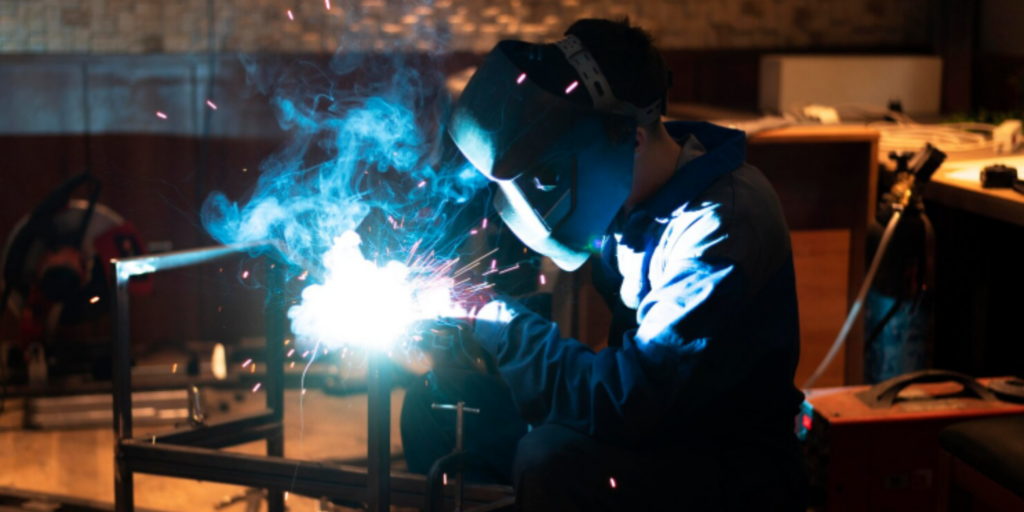
Welding supervision is the coordination of welding processes to ensure that welded products and structures align with the safety standards. The concept of Welding Supervision ensures that components are cost-effective while observing operational standards.
The process involves supervising welders, verifying existing policies and procedures, setting parameters, training staff, and enforcing quality control throughout fabrication. They also monitor occupational health and safety measures, including the use of Personal Protective Equipment (PPE) and overall site safety.
In addition to the mainstream services, Welding Supervision provides technical guidance. They conduct inspections and testing of systems/components to validate the quality of the welding apparatus. With guidance, defects will be minimised, optimising productivity and reducing idle time.
Most importantly, Welding Supervision teams enforce proper documentation practices. That includes record-keeping and the traceability of documents for future reference. Welding supervisors support the auditing and certification, ensuring that the documentation aligns with project specifications and related
codes.
Summary

Metallurgical Laboratory Services are a crucial service to the industry. The service provides quality assurance to ensure that businesses operate within safety standards. The concept of Metallurgical Laboratory Services emphasises failure-prevention strategies and conducts investigations before implementing corrective measures.
For all your Metallurgical Laboratory Services enquiries, please Contact Us for details. You may also email our team at yash@iwqms.com.au or call us at 0451 151 786